Practical pokies strategy for tournaments
Real tournament play rewards discipline over luck. Most Australians chasing prize pools need a clear plan, not just fast spins. This guide breaks down how to approach competitive pokies with realistic expectations and steady bankroll control. You can find competitive slots at lucky dreams casino australia with top slots, where pooled prizes grow as more players join the event. Manage your pace carefully and treat every session as a measured exercise in risk.
Building a tournament entry plan

Competitive pokies tournaments differ from standard play because the goal is relative ranking, not just extending play time. A solid pokies strategy for tournaments starts with reading the event rules before depositing. Some events reward the highest coin-in total, while others track biggest wins within a fixed window. Knowing which metric matters changes how you bet. Progressive jackpots pool a fraction of every bet across many machines into one growing prize, which can tempt players to chase huge payouts mid-event. That approach often burns through a balance quickly.
Once you know the payout structure, you can adjust your bet sizes to stay competitive during the final rounds. Many players find that managing their bankroll effectively is key to lasting until the leaderboard resets. You can explore more tournament tips and game varieties at lucky dreams casino australia with top slots.
From a product delivery standpoint, I have seen tournaments fail when rules are vague or pacing feels rushed. Clear entry criteria and visible leaderboards keep players engaged without encouraging reckless betting. You want events where the schedule is predictable and the prize structure is plain. If the terms shift mid-event or the clock feels arbitrary, the experience loses its shape. A well-run tournament gives you enough time to make deliberate choices rather than forcing panic spins.
Matching play style to event rules
Reading the scoring metric
Before you register, check whether the event ranks by total wager, total win, or time survived. Each metric rewards a different rhythm. If ranking depends on total coin-in, smaller consistent bets usually outperform sporadic large wagers. If the event rewards biggest wins, you need room in your balance for higher volatility. Keno’s name may come from the French or Latin words for “five winning numbers,” a reminder that even simple draw games carry their own pacing quirks, so treat every event format on its own terms.
Managing pace and balance
Set a session limit before the event opens and stick to it. A measured rhythm helps you stay in the contest longer without chasing losses. I have watched product teams tune tournament timers to match typical player behaviour, and the best events leave enough breathing room for thoughtful decisions. If your balance is running low, reduce bet sizes rather than forcing a final big push. That discipline keeps you competitive without turning a structured event into a stressful scramble.
Aligning strategy with player needs
Players want events that feel fair, readable, and worth the entry effort. A strong pokies strategy for tournaments accounts for how the platform presents information, not just how the reels behave. Clear prize breakdowns, visible timers, and straightforward registration reduce friction before the first spin. Payment options should match your usual habits, and support needs to be reachable if an event displays oddly or a balance looks wrong. Andrew Murphy, Sports Betting Analyst, Gold Coast Gaming Network, notes that players who ignore event rules usually waste money on metrics they cannot influence. Chloe Fraser, Customer Experience Lead, Harbour City Gaming Review, adds that readable leaderboards and predictable pacing keep players returning to future events. Those views reinforce the same point: structure matters as much as the games themselves.
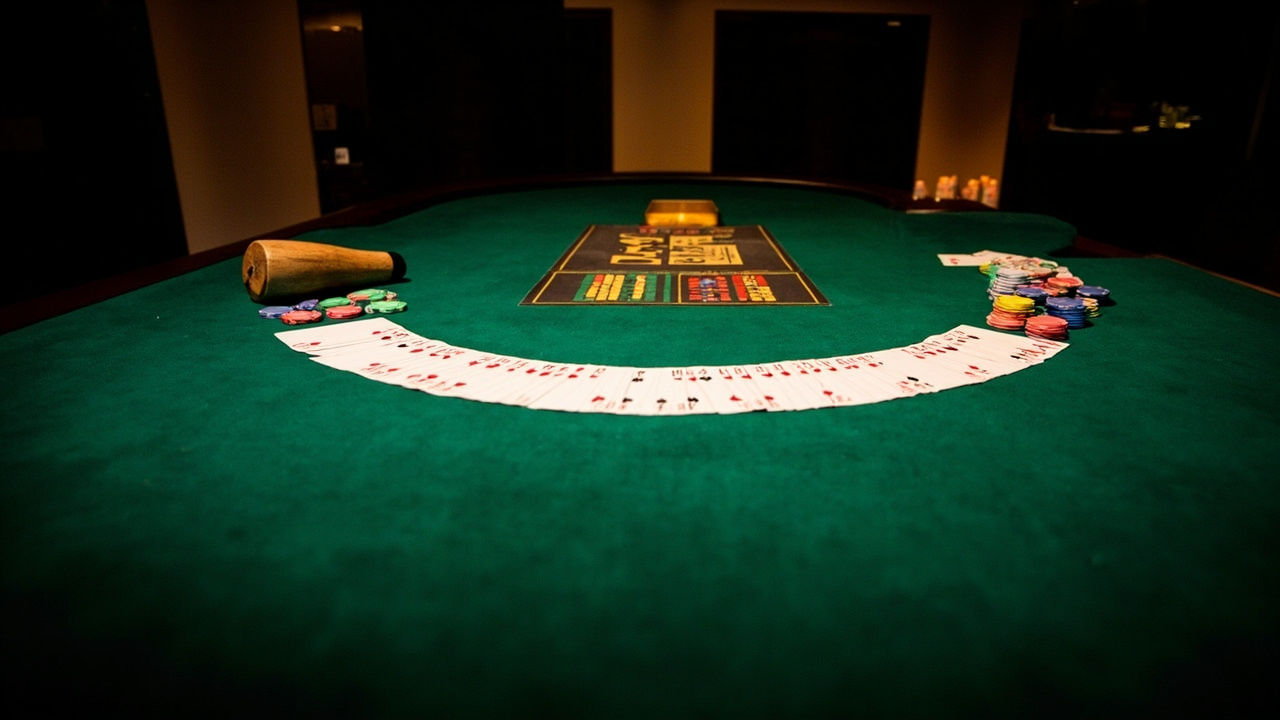
- Read the event rules and identify the ranking metric.
- Set a balance limit and choose a bet size that fits the format.
- Watch the leaderboard early to gauge how aggressive the field is.
- Adjust pace if your position drops, rather than chasing with larger bets.
- Stop when your session limit is reached, regardless of ranking.
Practical tournament play comes down to reading the format, controlling pace, and avoiding impulsive bet increases. Treat the event as a structured contest, not a shortcut to a big payout, and you will keep your play measured and your choices clearer.