Fast Fold Poker for Beginners: A Practical Aussie Guide
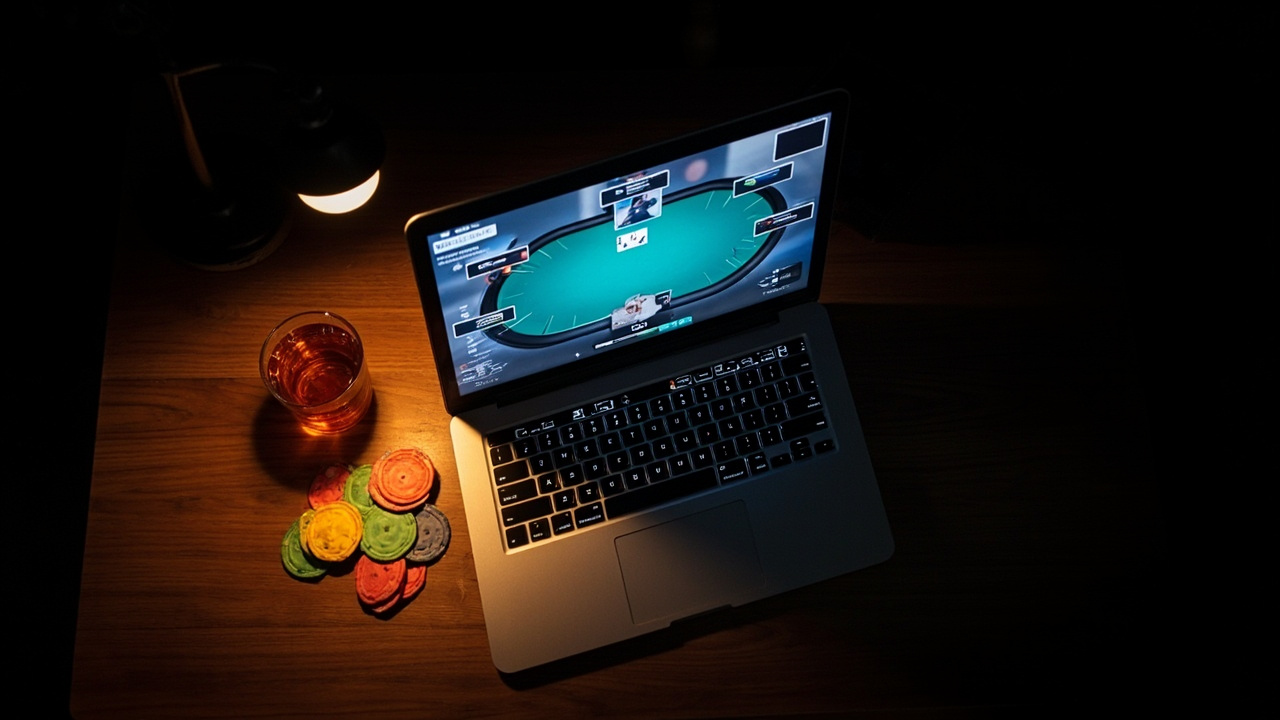
If you have ever watched a live table drag on while you wait for a single hand, fast fold poker for beginners is the format that removes that dead time entirely. You get three seconds to act at most, then you are auto-mucked and moved to a fresh table with a new deal the moment you fold. It is built for people who want constant action rather than long stretches of watching cards fly past. The pace changes how you think about hand selection and position, and that matters when you are learning the ropes.
At a site like the top lucky elf casino, the lobby leans on that quick-deal structure with a handful of hold’em variants and a couple of short-deck tables running behind the same RNG engine. The software shuffles and burns with the same kind of virtual RNG math I have built for Easygo Gaming, so the distribution of cards and the timing of table fills stay consistent across sessions. For a new player, that consistency is worth more than a flashy lobby, because you can actually track how often you see strong starting hands versus garbage without the pace masking the numbers.
How the format actually plays
Fast fold poker for beginners rewards you for folding mediocre hands quickly, because every second you sit on a weak pair is a second you are not getting a fresh deal. The rule is simple: once you fold, you are immediately seated at a new table with a new hand, so the action never stops. That means hand selection gets tighter than at a slow home game, and position matters even more because you are seeing action around you before you decide. Chips psychologically distance players from real money, making it easier to bet, and that effect is amplified when the table is moving fast and you are not watching a single pot build for ten minutes.
The practical upside is volume. You see more hands per hour, which sounds great for learning, but it also means your bankroll can take a hit faster if you play loose. A sensible approach is to treat the first few sessions as observation with small stakes, noting how often you actually get called versus when you can fold without regret. If you are playing from Newcastle on a busy arvo and the table flow feels relentless, dial the stakes down and focus on the hands you can play from late position rather than trying to bluff every orbit. Informed and limited play is the healthiest way to enjoy a punt, and that is especially true when the software is pushing you to act quickly.
What a welcome offer actually looks like
A welcome bonus in this format usually comes as a match on your first deposit, sometimes with a separate first-deposit tournament ticket or a small set of reload promos that drop on your first Tuesday arvo. The structure matters more than the headline number, because wagering requirements on poker bonuses are often tied to table rake or tournament entry fees rather than a simple turnover figure. You need to check whether the playthrough counts all your stakes equally, whether there is a cap on how much bonus money contributes per day, and whether the offer expires if you do not meet the requirements within a set window.
For players keen to compare how these clauses stack up across different operators, a detailed breakdown at top lucky elf casino can clarify which offers actually convert into withdrawable cash. Always check the eligible game weightings and expiry windows before locking in your first deposit, because a modest match with low rake contribution often beats a flashy headline figure that stalls at the verification stage.
Eligibility is usually straightforward: you must be in a supported jurisdiction, of legal age, and not already holding an account under the same details. Contribution rules can be fiddly, so look for whether cash games and sit-and-gos are treated the same, and whether the bonus is locked to a specific stake range. Limits matter too, because a match that sounds generous can come with a maximum bonus amount and a maximum bet size while the playthrough is active. Recurring promos, like a weekly reload or a freeroll entry, can be more useful than a one-off match if you plan to play regularly, but only if the terms do not force you into stakes you would not otherwise choose.

One misconception worth clearing up
A common misconception about fast fold poker for beginners is that the speed of the format somehow makes the cards run hotter or gives you more winning opportunities than a slower table. The reality is more nuanced, because the deal rate is the same RNG shuffle repeated more often, not a different distribution of cards. You are simply seeing more hands in the same clock time, which means your decisions compound faster and your variance shows up sooner. That can feel like the game is swinging more wildly, but it is really your sample size expanding, and that is why bankroll discipline matters more here than in a slow, chat-heavy session.
I have run simulations on deal frequency and hand volume, and the takeaway is that pace changes how quickly you feel results, not the underlying odds themselves. Grace Gibson, Compliance Director, Red Centre Analytics, puts it plainly: the pace of a format can change how a player experiences variance, but it does not alter the underlying distribution of outcomes. Lachlan Williams, Head of Product, Southern Star Esports, adds that new players often mistake rapid hand turnover for an edge, when it is really just more decisions per hour and more chances to tilt if the stakes are too high for their comfort.
Player-fit scenarios
If you are the type who likes to log on for a short session after work and wants every minute to feel active, fast fold poker for beginners suits you because you are not sitting through long stretches of folding. The format is built for people who want constant action and are willing to play tighter hands to keep up. If you are more interested in reading a single table and waiting for a good spot, this pace can feel rushed and may work against your style, so you would be better off treating it as a warm-up rather than your main session.
For someone learning position and hand ranges, the format is useful because you get repeated exposure to late-position situations and can practise folding without the social pressure of a live table. The trade-off is that you need to set a time or stake limit before you start, because the same pace that helps you learn also lets you burn through a bankroll if you chase losses between deals. If you are playing from Newcastle and the session is running alongside a busy week, keep the stakes small and treat the first few hours as range practice rather than a profit chase.
Glossary
- Fast fold: a poker format where folding moves you immediately to a new table with a new hand.
- RNG: a random number generator that shuffles and deals cards in virtual games.
- Variance: the swing between short-term results and the long-term expectation of a game.
- Position: your order of action relative to other players, which affects how you play a hand.
- Rake: the small fee taken from each pot that funds the table and the operator.
If you are deciding whether to try the format, start with small stakes and a clear stop point, because the pace rewards discipline more than it rewards aggression. The best way to learn fast fold poker for beginners is to treat your first sessions as range practice, watch how often you actually get called, and let the volume teach you where your leaks are before you raise the stakes.